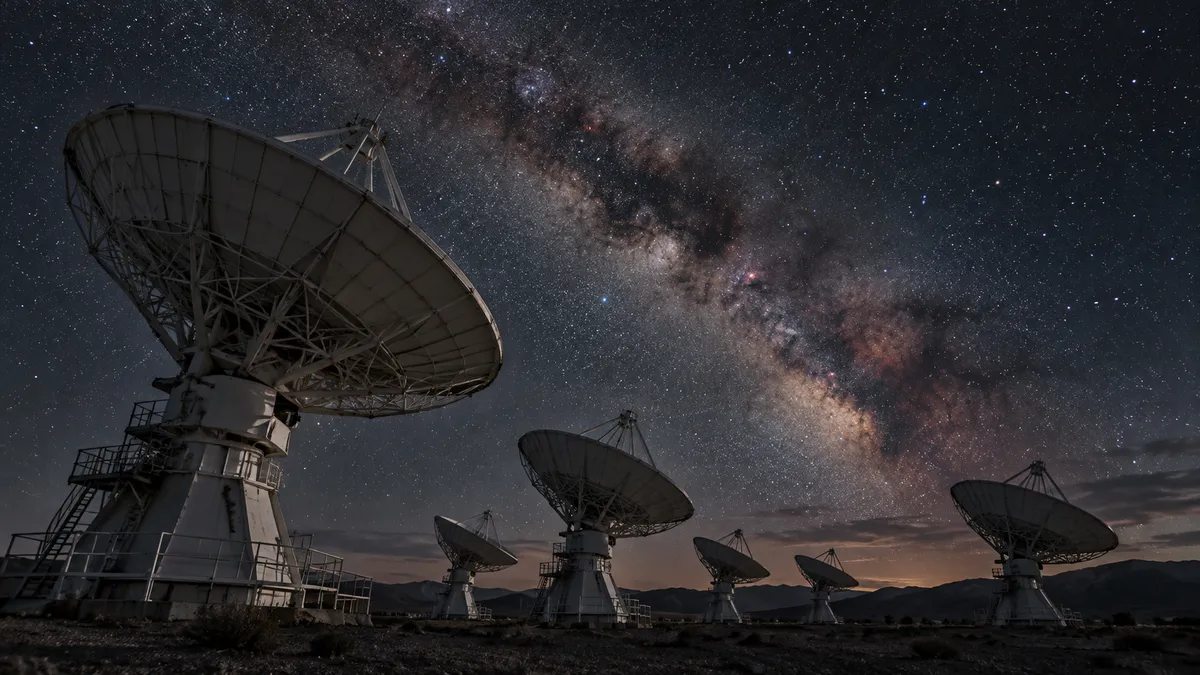
The Canadian Hydrogen Intensity Mapping Experiment, known as CHIME, has shown for the first time that it can detect the faint glow of hydrogen gas from deep in the universe's past using only its own data, according to a report from Phys. By the end of this article, you'll understand what that means, why a radio telescope is being used to chase dark energy, and why the result matters for the cost of doing big astronomy.
What CHIME actually detected
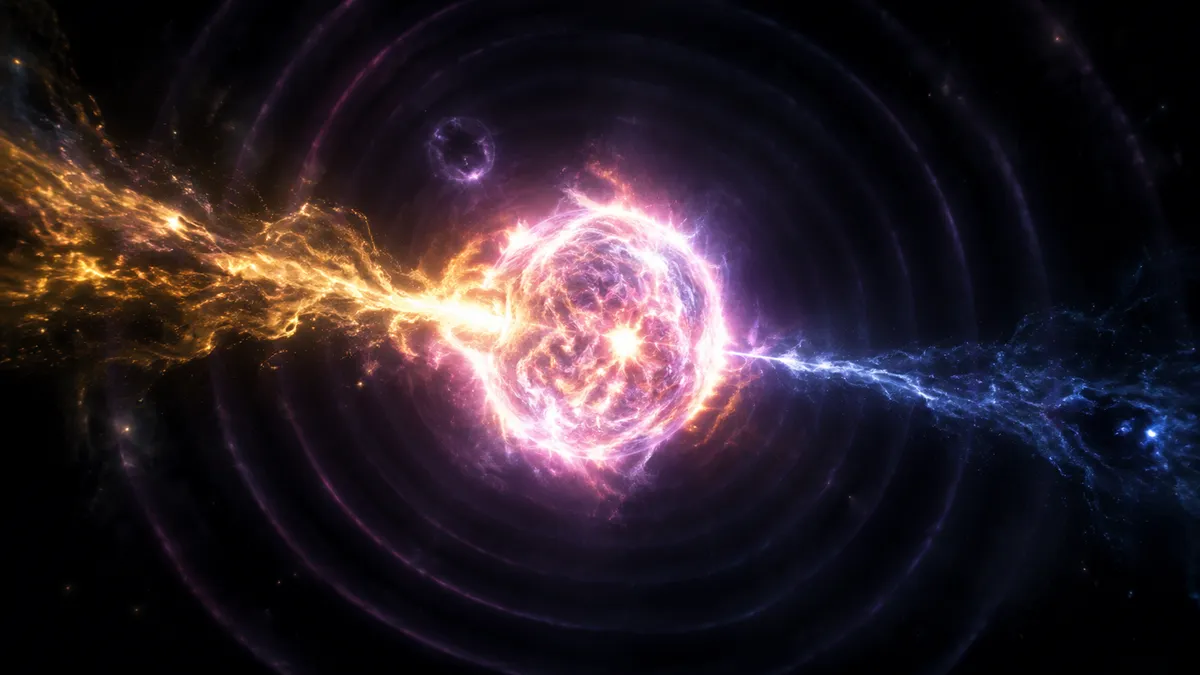
Hydrogen gas fills the universe, and it gives off a very weak radio signal. CHIME picked up that glow from ancient hydrogen without leaning on outside datasets to confirm it. Per Phys, this is a first for the telescope: an independent detection.
That independence is the point. A detection that depends on other surveys tells you the method might work. A detection from a telescope's own data tells you the telescope can do the job by itself.
Why hydrogen works like a map
The technique is called hydrogen intensity mapping. Instead of photographing individual galaxies one at a time, you measure the combined radio glow of hydrogen gas across large regions of sky. Where the glow is brighter or dimmer, you learn something about how matter is spread out.
Think of the difference between counting every streetlight in a country and looking at a satellite photo of city lights at night. You lose individual detail, but you gain the big picture quickly. This is my analogy, not the researchers', but it captures the trade: broad coverage over fine detail.
Phys reports that this approach can study cosmic expansion farther back in time, at larger scales, and at lower cost than traditional galaxy surveys.
What this has to do with dark energy
Dark energy remains one of physics' biggest unresolved questions. Mapping how matter is arranged across the universe, and how that arrangement changes over cosmic time, is one way to test how the universe has expanded and which theories fit.
The summary from Phys frames the current moment this way: cosmology is searching for independent ways to test competing theories about how the universe evolves. A map built from hydrogen's radio glow is a different kind of measurement from optical galaxy surveys. If two very different methods agree, that strengthens the case. If they disagree, that's interesting too.
Why the cost angle matters
Traditional galaxy surveys catalogue enormous numbers of individual objects, which is demanding work. Hydrogen intensity mapping skips the one-by-one approach. According to the report, that makes it cheaper, and it lets scientists reach back farther and cover bigger volumes of space.
That doesn't mean the method replaces optical surveys. It means there's now a second, complementary route, and one that doesn't require the most expensive instruments.
What comes next
CHIME now has nearly seven years of data, per Phys, which gives researchers plenty of material to expand this method. The first independent detection is a proof of concept. The longer-term payoff would come from applying it to the full dataset to build more detailed maps.
It's too early to say what those maps will show about dark energy. The report doesn't claim a new result on dark energy itself, only that the technique has been validated as a way to investigate it.
How to read this news
A few quick guardrails when you see headlines like this:
- This is a method milestone, not a dark energy answer. The achievement is showing the tool works on its own.
- "Faint" is literal. The signal is weak, which is why proving it was real is a big part of the achievement.
- Independent confirmation is the goal. Cosmology gains most when different techniques cross-check each other.
The takeaway
When you next hear that dark energy is a mystery, remember that the search isn't only happening in optical telescopes. Keep an eye out for results built from CHIME's years of data, because that's where this faint hydrogen glow could start to turn into real answers.