By the end of this article, you'll understand how a microphone clipped to a plant could tell a farmer about a pest problem before any damage shows, and what that could mean for pesticide use.
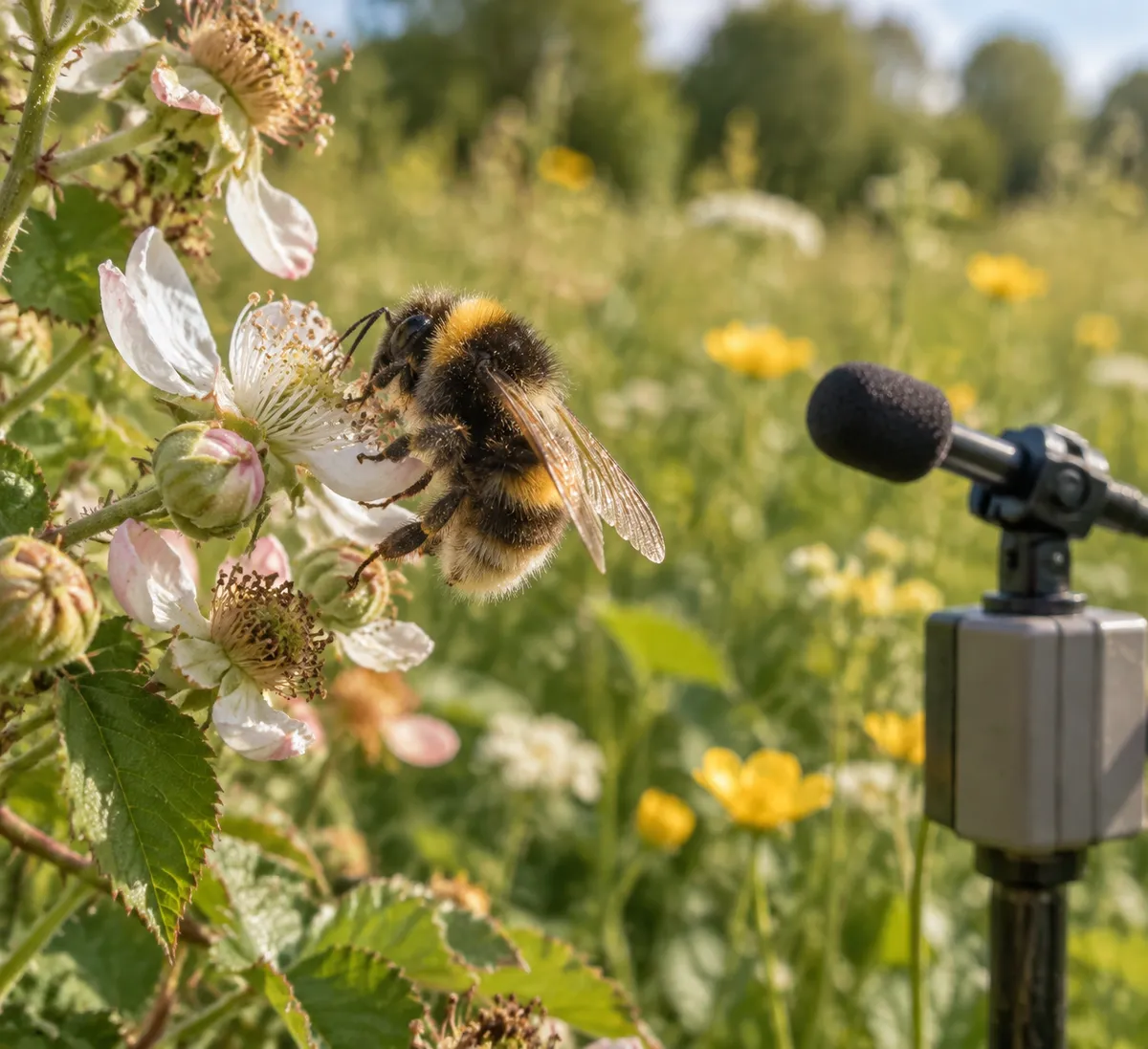
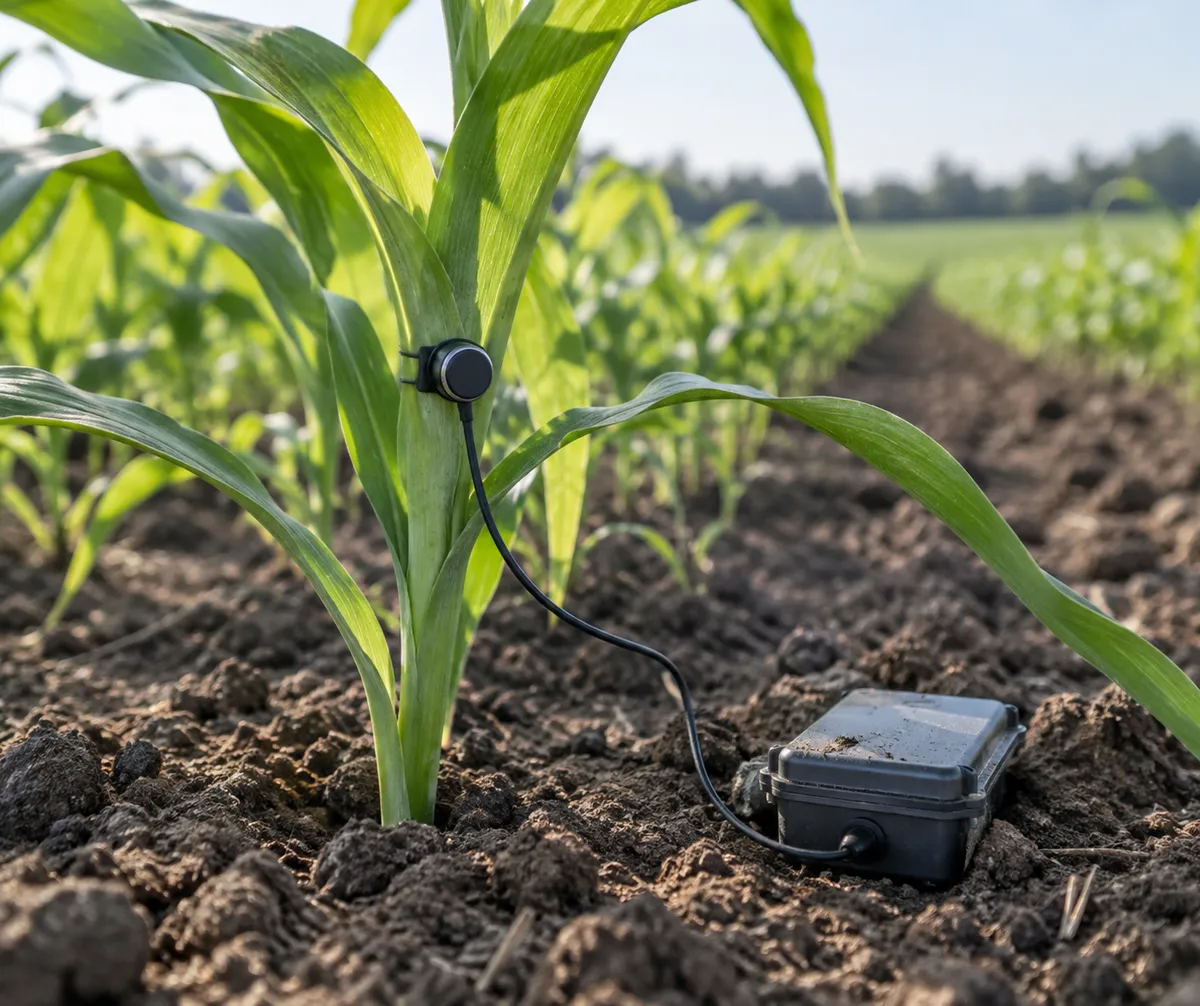
Per a report from Phys, researchers at Kansas State University are testing a system called "Insect Eavesdropper." It combines plant-mounted microphones, AI, and analytics to detect hidden crop pests by listening to the vibrations insects make. The core idea: sound-based monitoring could catch infestations earlier, more precisely, and with less disruption than traditional scouting.
The problem: pests you can't see
Many damaging crop pests are hard to detect until it's too late. By the time chewed leaves, wilting, or yield loss are visible, the infestation is already established. Traditional scouting depends on a person walking fields and looking, which works best for pests that sit in plain sight.
The pests that matter most for this technology are the hidden ones. Listening offers a way around the visibility problem, because an insect can be out of sight and still be making noise.
How the listening system works
According to Phys, the Insect Eavesdropper setup has three main parts:
- Plant-mounted microphones that pick up the vibrations insects produce.
- AI that learns to recognize what those signals mean.
- Analytics that turn raw sound into information a farmer can act on.
Think of it as a stethoscope for crops, with software doing the interpreting. Instead of a person hoping to spot trouble on a given day, sensors can sit in the field and keep paying attention.
Why this is becoming practical now
Per the report, low-cost sensors, Raspberry Pi-style hardware, and machine learning are converging in a way that makes continuous field monitoring more realistic for agriculture. Cheap, small computers mean you don't need expensive, specialized equipment in every row. That cost matters: a monitoring system only helps if a farmer can deploy enough of it to cover real acreage.
It's also a project with student researchers involved, which is a reminder that much of agtech's next wave is being built by people early in their careers.
What it could mean for pesticide use
Farmers face pressure to protect yields while using pesticides more efficiently. Here's where early, precise detection could help. This is my analysis rather than a finding from the reporting: if you know where a pest is and when it arrived, you can treat a specific area rather than a whole field, and you can act before a small problem becomes a large one.
The researchers' framing, as relayed by Phys, is that sound-based monitoring is more precise and less destructive than traditional scouting. Whether it reduces pesticide use in practice will depend on how well the system performs in real fields, and the coverage doesn't offer results on that yet.
What we don't know yet
The system is being tested, not sold off a shelf. The material available here doesn't say which pests it detects, how accurate it is, how much it costs, or when farmers might use it. Those are the questions to watch for as the work moves from testing to the field.
The takeaway
If you follow agriculture or food technology, watch for accuracy results from field trials. That number will tell you whether listening to crops is a clever demo or a real shift away from walking the rows and hoping to spot trouble in time.