When wildfire smoke fills the air, you can close the windows, run a purifier, or stay inside. A mule deer in the backcountry can't do any of that. By the end of this article, you'll know how a new collar sensor is finally measuring what smoke does to wildlife, and why its first results suggest our existing air quality maps are missing a lot.
The news: a "smoke logger" built for wildlife
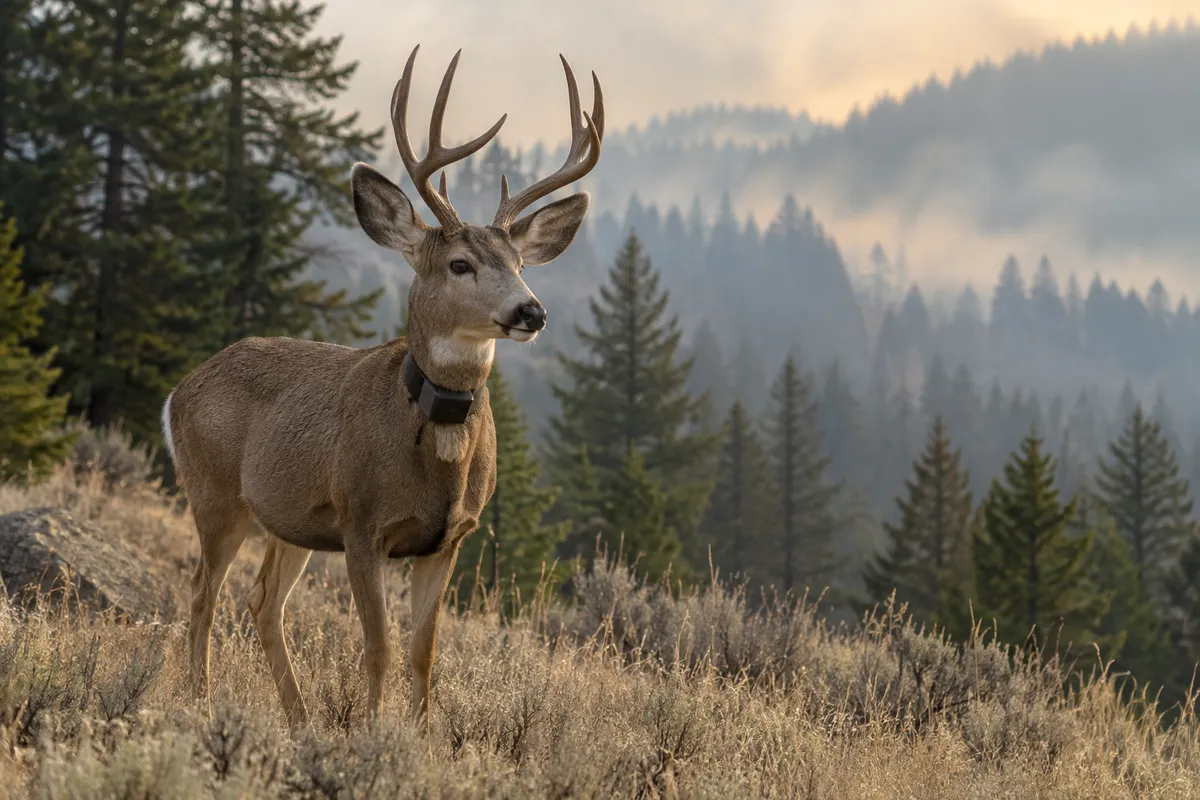
Researchers at Colorado State University have developed a low-cost, open-source collar sensor, called a smoke logger, according to a report from Phys. It measures wildfire smoke exposure alongside an animal's location and health data, all in one device.
That combination is the point. Little is known about how animals in remote areas respond to wildfires and smoke, per Phys. Researchers have had trouble answering basic questions: How much smoke does an individual animal actually breathe? Where is it when that happens? Does its health change afterward?
Why wildlife is the blind spot
People have options when smoke rolls in. Wildlife doesn't. Animals living in remote areas can't retreat indoors, and the places they live are often far from any air monitor.
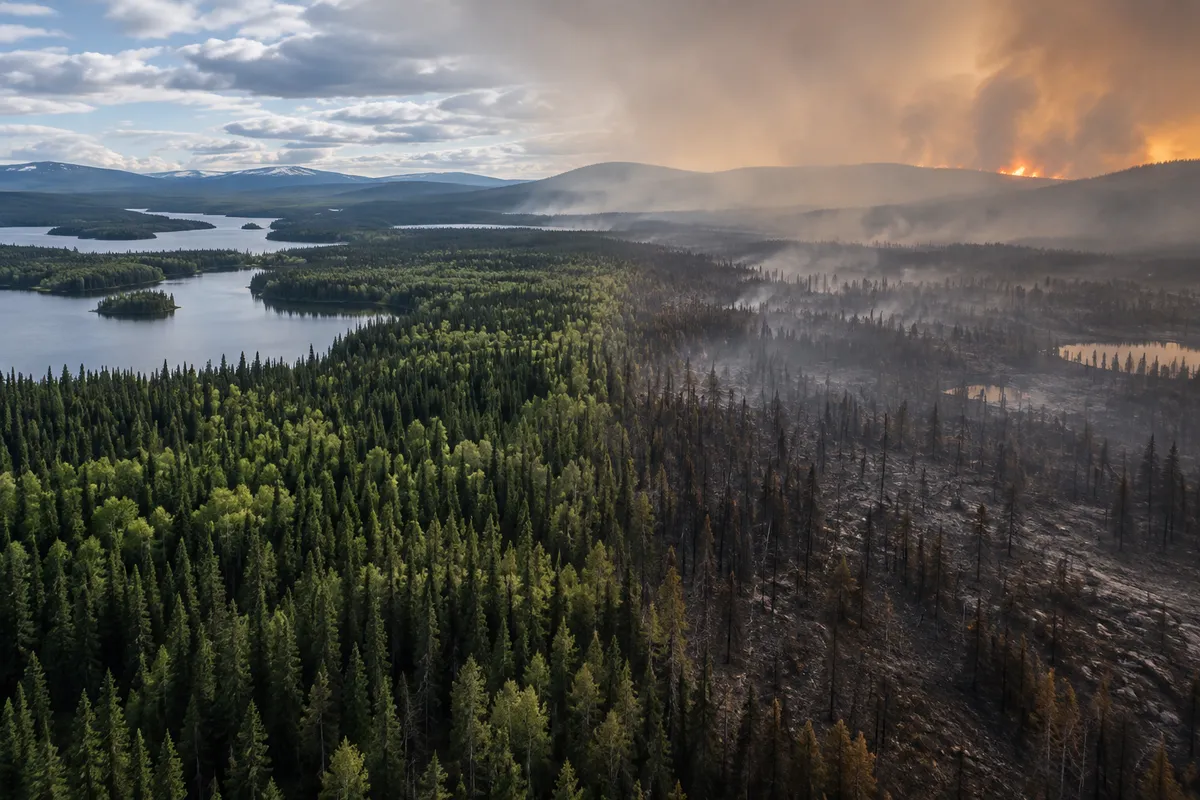
This matters more as wildfires become more frequent, severe, and smoke-heavy across North America, per the report. That means longer stretches of exposure with few ways to escape it.
What the first mule deer data shows
Early deployments on mule deer revealed that air quality can vary dramatically at a microscale, according to Phys. In other words, the air one animal breathes can differ sharply from the air a short distance away.
That exposes gaps in existing monitoring. Official monitors give a useful regional picture, but they're fixed in place and sparse in remote terrain. A collar moves with the animal, so it records what that animal experiences, not what a station miles away reads.
The early data is just that: early. The deployments so far are on mule deer, and this article can't say how smoke is affecting their health, only that the tool is now capturing the exposure data needed to ask the question properly.
Why open-source and low-cost matter
Expensive, proprietary equipment limits who can study a problem. A cheap, open-source design means other research teams can, in principle, build and adapt similar loggers for their own animals and landscapes. More species, more regions, more data.
It's reasonable to expect that scale is where this gets interesting. One collar tells you about one deer. Many collars across many habitats could show patterns no single monitor network could.
What the data could change
Per the report, better animal-level smoke data could shape several things:
- Conservation decisions: Knowing when and where animals take the heaviest smoke exposure helps managers prioritize protection.
- Prescribed burn timing: Land managers use planned fires to reduce wildfire risk. Animal smoke exposure data could become one factor in when those burns happen.
- Human air-quality understanding: Fine-scale readings from the field could improve how we understand smoke patterns that affect people, too.
What you can take from this
The practical lesson isn't about buying anything. It's about recognizing that the official air quality number for your area is an average, and the real air varies from place to place. The researchers' early deer data points the same way: conditions can change a lot over small distances.
If you live near wild country, check your local air quality readings during smoke events, and keep in mind that they're a regional snapshot rather than a measure of every spot nearby. And if you want to follow this work, look for updates from Colorado State University on how the smoke logger is used in future studies.