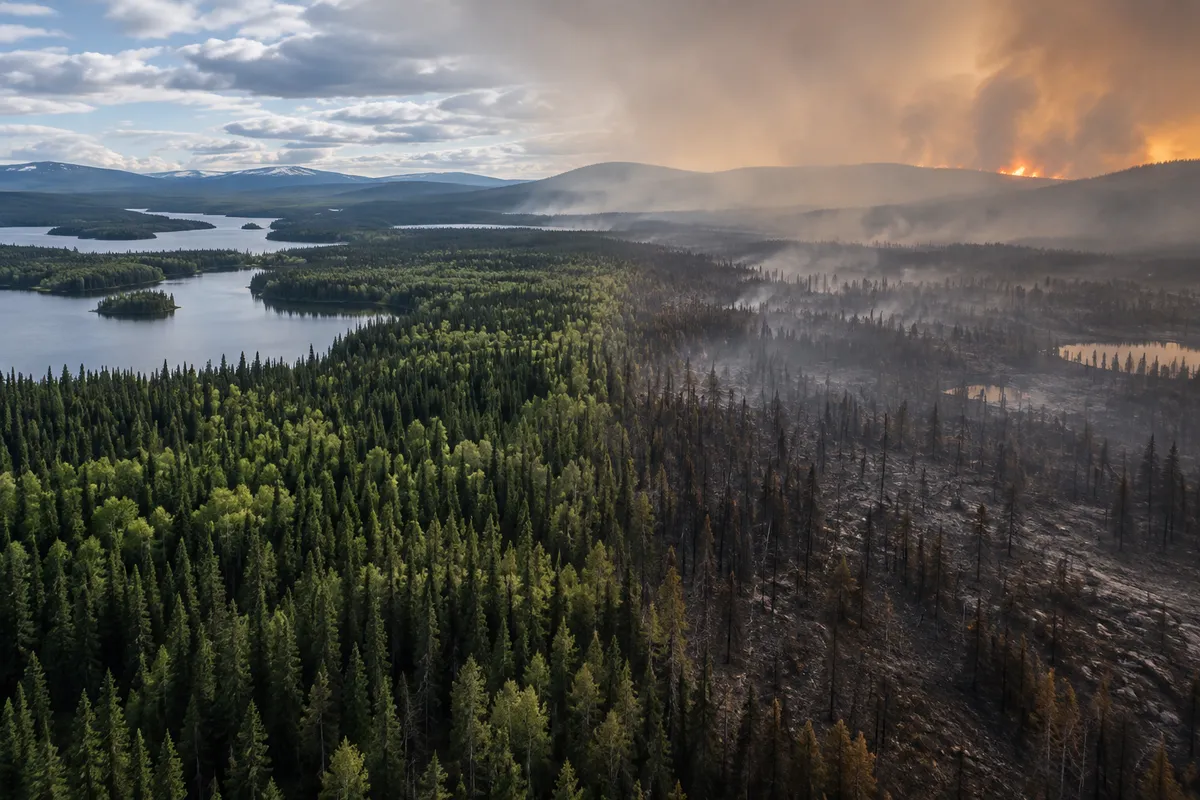
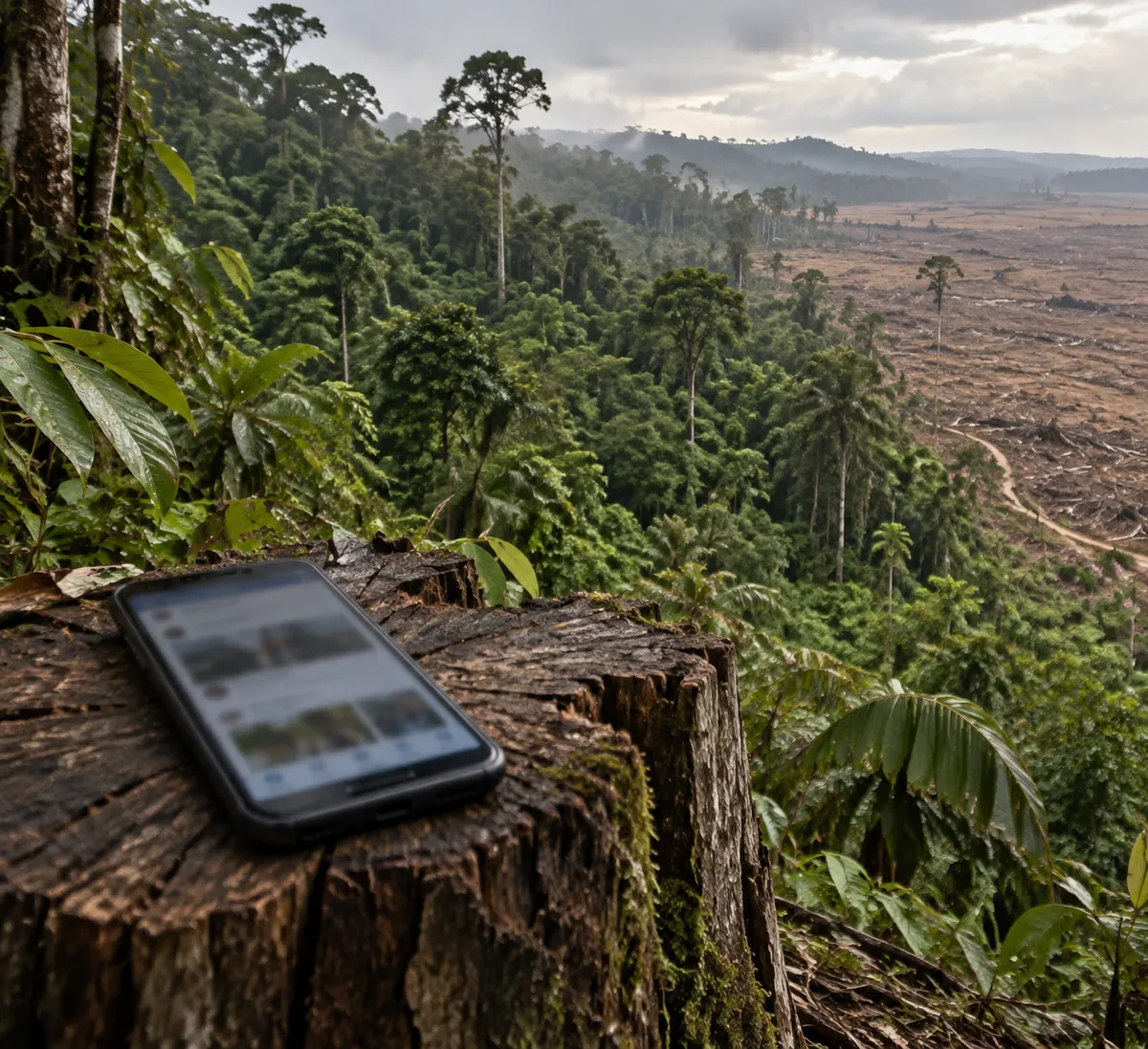
A single public statement from a powerful leader can change what people on the ground think they can get away with. That is the core finding of an international study led by the University of Bonn, as reported by Phys: former Brazilian President Jair Bolsonaro's statements against forest conservation contributed to Amazon deforestation. By the researchers' estimate, his anti-conservation messages on Twitter contributed to up to 1,700 square kilometers of forest loss in 2019.
By the end of this article, you'll understand the mechanism the study points to, why it matters beyond Brazil, and how to read political rhetoric about the environment with a sharper eye.
What the study found
Per Phys, the researchers looked at Bolsonaro's messages on Twitter that opposed forest conservation. They concluded these statements helped accelerate deforestation in the Amazon, and they put the upper estimate of the 2019 impact at 1,700 square kilometers.
The key idea is about signals. According to the report, the messages indicated a lower risk of enforcement. In other words, the statements did not need to change a single law to have an effect. They changed expectations about whether illegal clearing would be punished.
Why a tweet can act like policy
Think about the decision facing someone who might clear forest illegally. They weigh the economic gain against the chance of getting caught and penalized. Anything that shifts that second number changes the math.
The study's framing is that a leader's words can do exactly that. When the person at the top publicly signals disdain for conservation, the perceived risk of enforcement drops. Clearing becomes a better bet, even if the formal rules on paper stay the same.
That is why it's useful to think of speech as a form of policy. Rules matter, but so does what people believe about how seriously those rules will be applied.
Weak enforcement is only part of the story
It's tempting to explain deforestation purely as a failure of policing: too few inspectors, too much forest. The study adds a different layer. Enforcement is partly a matter of perception, and perception can be shaped by rhetoric.
The study's relevance is greatest, per the report, where enforcement is already weak or uncertain. In those places, people are already guessing about the odds of consequences. A strong public signal from a national leader gives them something to base that guess on.
Social media as the amplifier
The study focused on Twitter, which tells you something about how these signals travel. A statement posted online can reach a huge audience instantly, without being filtered through official channels or formal rule changes. It's fast, public, and easy to interpret as a green light.
That doesn't mean every post has this effect. The study's claim is specific: these particular messages, from this particular leader, in a context of economic pressure to convert forest to other uses, were linked to measurable forest loss.
How to read this number
A few cautions help you use this finding well:
- It's an estimate. The figure of up to 1,700 square kilometers is an upper-end estimate of what the messages contributed, not a precise tally.
- It's one year. The number refers to 2019.
- It's contribution, not sole cause. The researchers say the statements contributed to deforestation. Other drivers, including economic incentives, also play a role.
Still, the study adds to evidence that political rhetoric can directly shape environmental behavior.
What this means beyond Brazil
This isn't only a story about one president. As climate policy and misinformation battles intensify, the study offers a measurable example of leaders' words having ecological consequences. The same logic could apply anywhere that rules depend on enforcement and enforcement depends on credibility.
When you see a politician talk about the environment, ask three questions:
- What signal does this send about enforcement? Does it suggest rules will be applied or ignored?
- Who benefits economically from that signal? Those with a financial stake are the most likely to act on it.
- Is enforcement already weak there? Rhetoric tends to matter most where the odds of consequences are already uncertain.
The takeaway
When you judge a government's environmental record, don't stop at the laws on the books. Listen to what leaders say, because the people deciding whether to cut down a forest are listening too.