A new global review of observed climate change impacts on plant communities has found a problem hiding in plain sight: we are watching some of the world's most climate-vulnerable ecosystems very unevenly. By the end of this piece, you'll know where the gaps are, why they matter, and how to read climate-and-ecosystem headlines with a sharper eye.
The review, reported by Phys, systematically examined 128 studies on Mediterranean-type ecosystems, or MTEs. These are biodiversity hotspots found in five regions: California, the Mediterranean Basin, Chile, South Africa, and Australia. According to the report, only 9% of the research was conducted in the Global South.
The headline number: 9%
That figure means roughly 91% of the studies came from elsewhere. Per Phys, the evidence base is skewed toward California and the Mediterranean Basin.
That matters because these five regions share a climate type but not a landscape, a history, or a set of pressures. The same report notes that MTEs are experiencing extreme droughts and climate stress. If most of what we know comes from two of the five regions, then our picture of the other three, including South Africa, Chile, and Australia, is thinner than it should be.
This is our reading, not a claim from the review: when data is concentrated in a couple of places, it's tempting to assume the rest of the world behaves the same way. The review's finding suggests we don't yet have the evidence to know whether that's true.
Why a lopsided evidence base is a real problem
Conservation decisions depend on knowing what is already changing and what isn't. Gaps in monitoring can lead to:
- Misplaced confidence. Projections for under-studied regions may rest on patterns observed somewhere else.
- Missed early warnings. If nobody is watching a region's plant communities, shifts can go unrecorded.
- Skewed priorities. Funding and policy tend to follow the data that exists.
The review's point, as described by Phys, is that these are not minor footnotes. They are blind spots in how we understand ecosystems that are among the most biodiverse on Earth.
Seeing change isn't the same as proving the cause
One of the angles raised in coverage of the review is the causal inference problem. If vegetation changes at the same time the climate changes, that doesn't automatically prove the climate caused it. Land use, fire, grazing, and other pressures can also reshape plant communities.
The review's focus on observed impacts is useful here. It asks what has actually been recorded on the ground, not just what models predict. For you as a reader, that's a handy filter. When you see a claim that climate change is transforming an ecosystem, ask two questions:
- Was the change directly observed, or projected by a model?
- Did the researchers rule out other explanations, or just note that two things happened together?
What could close the gaps
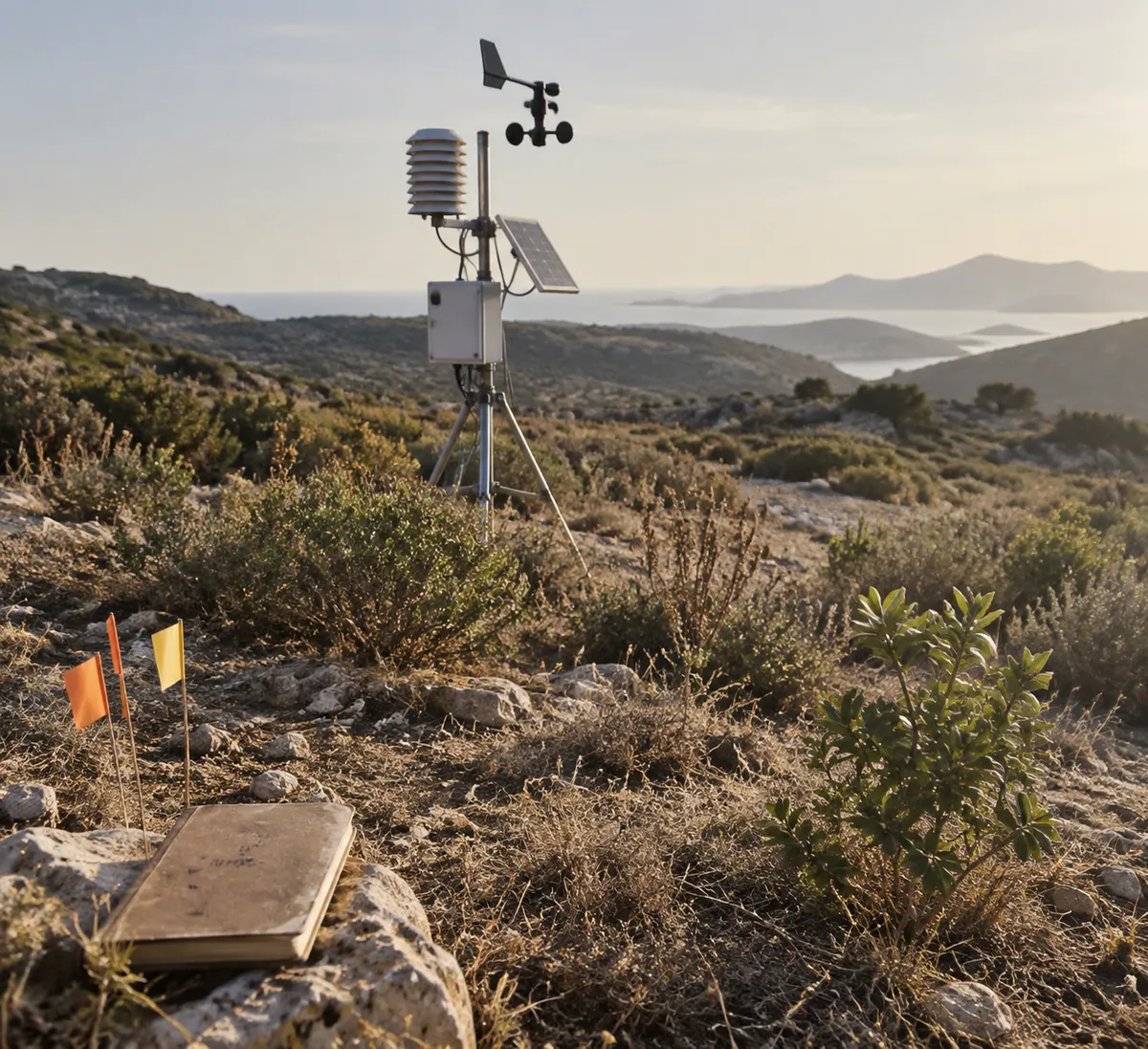
The review's coverage points to a few directions. The first is better coordinated monitoring across all five regions, so comparisons are possible. The second is reusing historical datasets. Older records, if rediscovered and analyzed, could let scientists fill gaps faster than waiting years for new long-term data to accumulate. I can't tell you from the report which specific datasets exist, but the logic is simple: a record already sitting in an archive is time you don't have to buy.
How to use this as a reader
You don't need to be a scientist to apply the lesson.
- Check where a study was done. A finding from California or the Mediterranean Basin may not describe Chile, South Africa, or Australia.
- Look for the word "observed." It signals real-world measurement rather than a projection.
- Be wary of single-cause stories. Climate is a plausible driver, but proof takes more than coincidence.
- Support local monitoring. If you live in or near one of these regions, citizen science programs and local conservation groups often track plants and are a way to add data where it's scarce.
The takeaway
When you read the next story about climate and ecosystems, ask one question first: where was this measured, and who isn't being measured? The answer tells you how far the conclusion can travel.